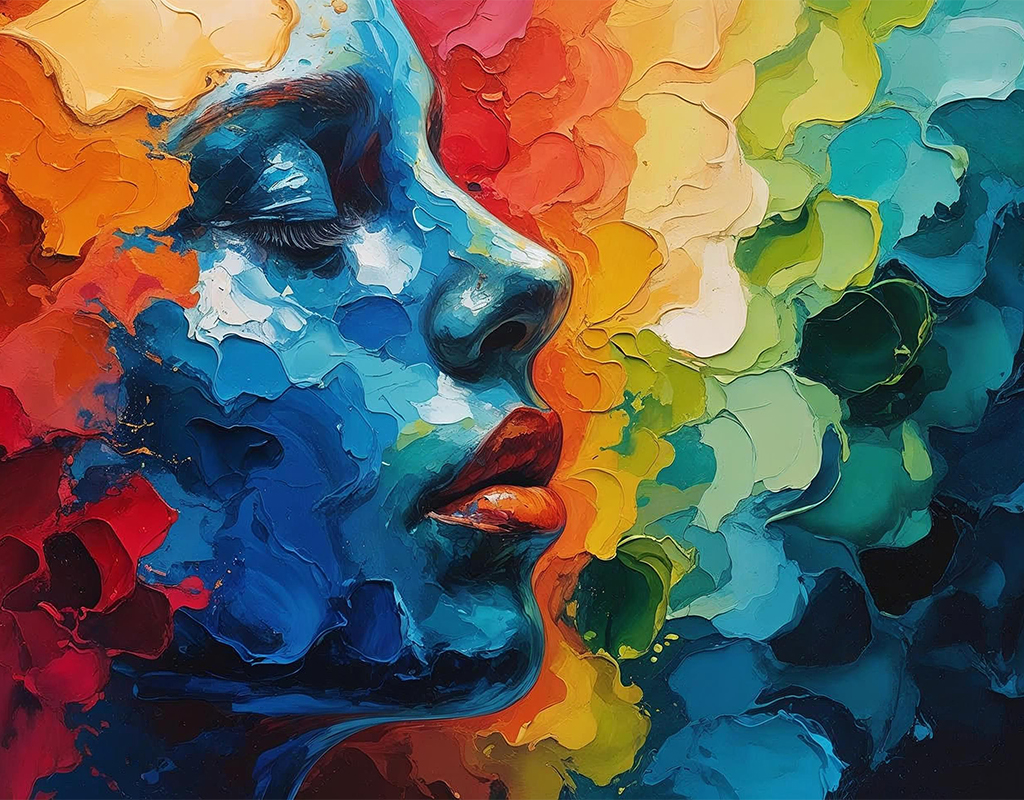

Our everyday life is surrounded by colours—our houses, garments, nature, everything. Yet we often overlook how deeply they influence our mood, emotions and behaviours. Colour psychology is important, even though it is not an exact science. Nowadays, it has gained increasing attention, with researchers, designers, and marketers exploring how colours structure human perception. And now, even academic journals are talking about it, with many issuing a journal call for papers on the psychological dimensions of hues.
Here are five ways colours can influence our feelings, often without us even noticing:
1. Blue Boosts Focus and Productivity
Cool blues promote calmness, but most people don’t know they also boost mental clarity and attention span. This is why many offices and educational institutions use various shades of blue to boost focus. Unlike brighter, more stimulating colours, blue creates a calm, soothing atmosphere which is ideal for deep thinking and problem-solving.
2. Red Increases Heart Rate and Alertness
Red is a bold and powerful colour, often associated with passion, danger, and urgency. Seeing the colour red can stimulate subtle physical changes, like an increased heart rate or heightened alertness. It makes us more cautious. Therefore, it’s often used in warning signs like traffic signals just to grab attention quickly. But then again, overexposure to red can create feelings of anxiety and aggression.
3. Green Supports Emotional Balance
Green, the colour of nature, is the most soothing colour for the eye. It suggests growth, harmony, and safety. Research shows that seeing the colour green can reduce stress and improve emotional balance. That is why adding plants or natural elements into interiors has become the norm.
4. Yellow Enhances Creativity and Optimism
Yellow is the happiest of colours. The colour of sunshine—literally and emotionally. It makes us feel warm, joyous and energetic. Interestingly, workplaces that use yellow accents experience higher levels of innovation, making it a wide choice in creative industries. However, it needs to be remembered that too much yellow can evoke agitation, especially in high-stress environments.
5. Purple Stimulates Imagination and Spirituality
Purple, which is often associated with royalty and luxury, is also linked to creativity and imagination. Lighter shades of this colour, like lavender, can be calm and soothing, whereas deeper shades of purple help in creative thinking and spiritual reflection. Therefore, meditation spaces and studios are often painted in purple to generate creativity.
We might not always understand it, but the colours that are around us can mould our emotions, decisions, and even our mental health. Whether you’re decorating a room, designing a logo, or simply choosing an outfit, it’s worth thinking twice about the colours you pick; they’re conveying more than you know.